Independent technical inspections before you commit.
Every property deserves a structured technical review before a purchase is signed, before a renovation is priced and before a handover is accepted. Cavalma coordinates that review, brings in qualified specialists where they are needed, and returns findings you can act on.

Expensive mistakes usually begin before any work starts.
A property can photograph beautifully, show well on a viewing and still carry conditions that only appear once the furniture is out and the first trades arrive. By then the price is agreed, the timeline is fixed and the budget has no room left in it.
The purpose of an inspection is not to create doubt. It is to replace assumption with information, early enough that the information is still useful - when you can still adjust the offer, the scope, the sequence or the timing.
Cavalma coordinates inspections and organises the findings. Regulated surveys, structural calculations, certificates and formal technical reports are produced by the appropriate qualified architects, engineers and licensed specialists under their own professional responsibility.
- Moisture and damp ingress
- Structural movement and cracking
- Roof and terrace waterproofing
- Electrical installation defects
- Plumbing and drainage failures
- Heating, cooling and ventilation issues
- Pool structure and plant equipment
- Façade and render deterioration
- Poor previous workmanship
- Incomplete technical documentation
Ten stages, from first question to next step.
The depth of each stage changes with the property. The order does not.
- 01
Initial consultation
We establish why the inspection is being made - purchase, renovation, handover or ongoing ownership - and what decision it needs to support.
- 02
Property information review
Listing material, plans, previous works, community information and any technical documentation already available are read before anyone visits.
- 03
Site visit
A structured walkthrough of the property, its systems, its exterior and its immediate surroundings, recorded as it happens.
- 04
Technical observations
Conditions are noted with photographs and location references, so each observation can be found again by anyone who follows.
- 05
Specialist coordination
Where a condition requires qualified assessment - structural, electrical, roofing, pool or legal - the appropriate licensed specialist is brought in.
- 06
Documentation review
What is visible on site is compared against what the paperwork describes, and discrepancies are flagged rather than assumed away.
- 07
Risk assessment
Each finding is considered for what it means in practice: urgency, likely disruption, and whether it affects the wider scope.
- 08
Prioritised findings
Observations are grouped by priority instead of arriving as an undifferentiated list, so attention goes where it belongs.
- 09
Recommendations
Practical next actions - further specialist review, remedial work, renegotiation, or simply monitoring over time.
- 10
Next-step planning
If the property proceeds, findings become the starting point for scope, sequence and budget rather than a document that is filed away.
What can be inspected.
The scope is agreed before the visit and matched to the property, its age, its construction and the decision it supports.
STRUCTURE
- Foundations and visible settlement
- Load-bearing and partition walls
- Ceilings and slabs
- Roof structure and covering
- Terraces and balconies
BUILDING SYSTEMS
- Electrical installation and distribution
- Plumbing and water supply
- Drainage and waste
- Heating and cooling
- Ventilation and extraction
EXTERIOR
- Façade and render
- Waterproofing and sealing
- Balcony and terrace detailing
- Pool structure and equipment
- Gardens, irrigation and drainage
INTERIORS
- Flooring and levels
- Kitchens and appliances
- Bathrooms and wet areas
- Finishes and joinery
- Windows, glazing and doors
DOCUMENTATION
- Visible discrepancies against plans
- Renovation and alteration history
- Maintenance records
- Available technical documentation
- Items requiring formal verification
An inspection coordinated by Cavalma is a structured technical review, not a regulated engineering report. Where a certificate, calculation or official report is required, it is issued by the qualified professional entitled to issue it.
The best moment to learn something is while you can still act on it.
On the Costa del Sol, buyers frequently commit to a property and only afterwards ask what it will take to live in it the way they intend. The inspection reverses that order.
An independent review before purchase turns a general impression into a defined position: what the property is, what it needs, roughly when, and what that means for the number on the contract.
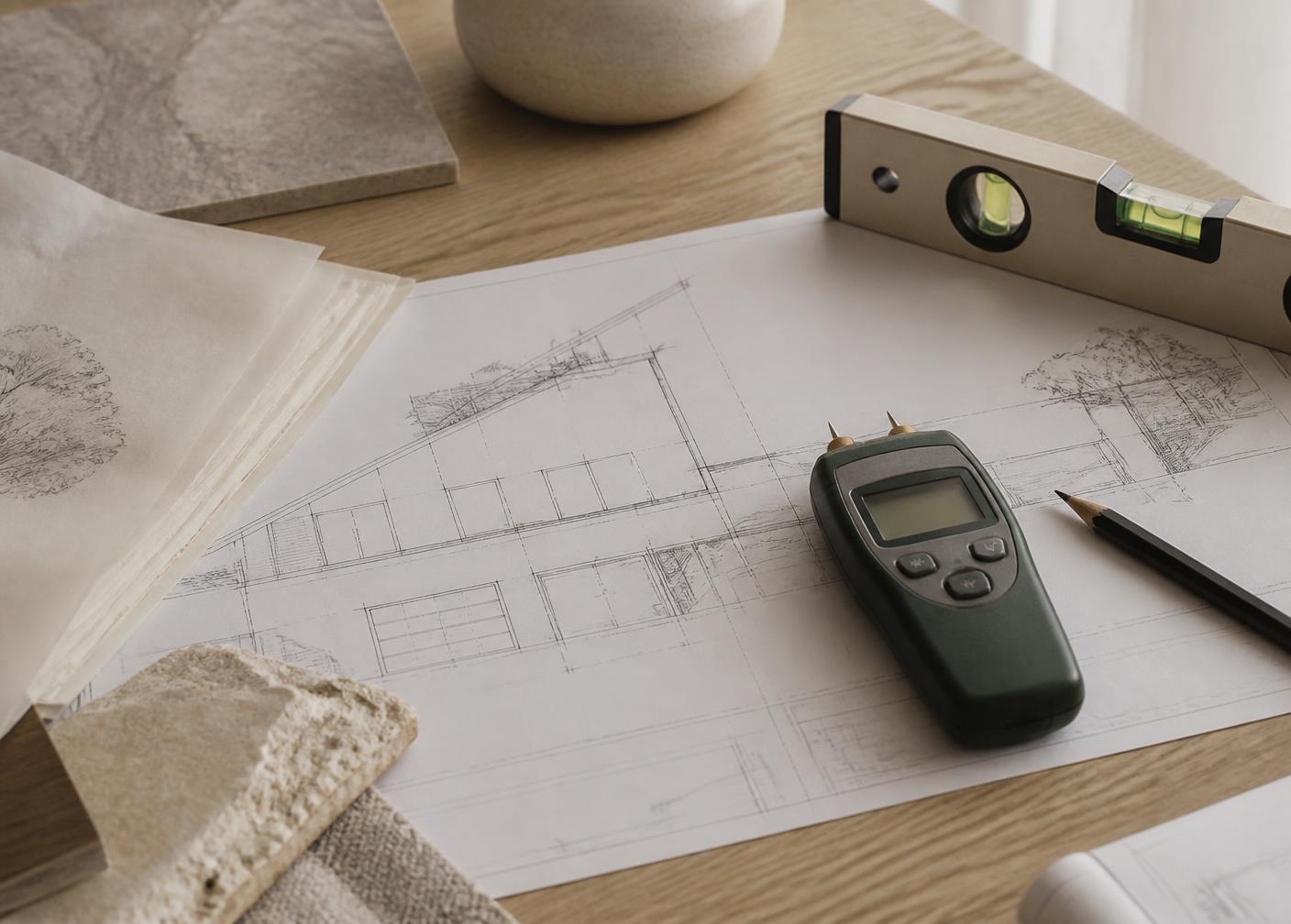
Understanding renovation scope
What is cosmetic, what is technical, and what would have to be opened up before anyone can say more.
Identifying hidden costs
Systems near the end of their service life, waterproofing that will need attention, works that were done without the detail behind them.
Budgeting realistically
A property budget that includes the building, not only the purchase price and the furniture.
Negotiating with confidence
Documented findings are a calmer basis for discussion than instinct, for both sides.
Avoiding surprises after completion
Fewer conditions discovered in the first winter, when the rain arrives and the house is already yours.
Inspection does not end when the project begins.
During renovation or new construction, the same discipline is applied to work in progress - while it can still be corrected easily.
Progress verification
What has actually been completed on site, compared against the programme and against what has been invoiced.
Workmanship review
Execution checked against the agreed specification, drawings and materials before the next layer covers it.
Milestone inspections
Reviews timed to the points that matter - first fix, waterproofing, screeds, closing up - rather than at random intervals.
Snagging
A systematic defect list at completion, tracked until each item is resolved rather than simply issued.
Final handover review
Documentation, certificates, warranties, manuals and keys collected and checked before the project is accepted as finished.
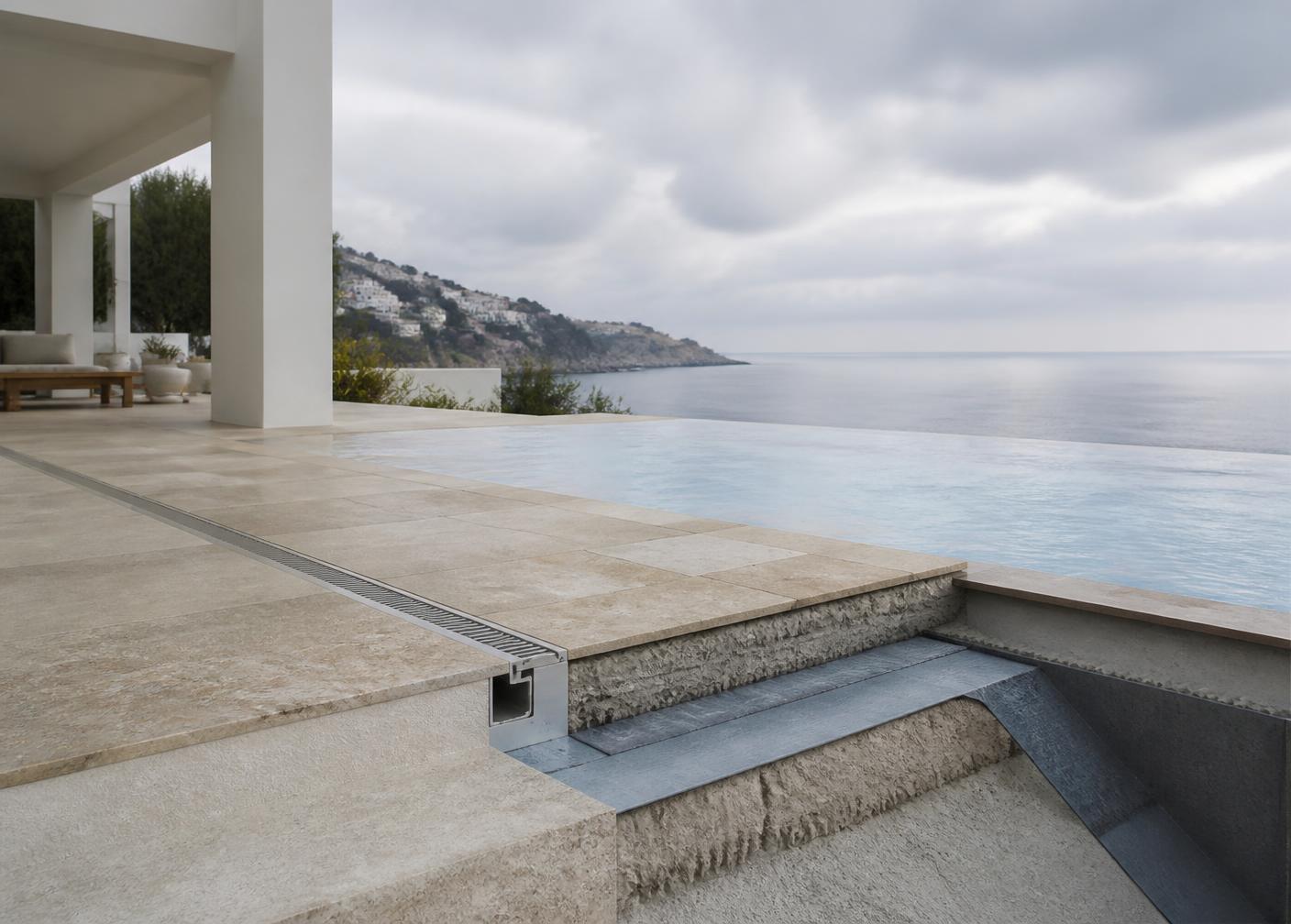
Findings organised so a decision can follow.
A useful inspection is not a long document. It is a clear one, ordered by what deserves attention first.
- Immediate attention
- Conditions affecting safety, watertightness or the integrity of the building, where delay makes the problem larger.
- Medium priority
- Items that should be resolved within a defined period, or handled inside a planned renovation rather than separately.
- Long-term planning
- Elements approaching the end of their service life, worth budgeting for now and executing later.
- Specialist review recommended
- Conditions that require qualified assessment before any conclusion is drawn, with the appropriate professional identified.
Findings are supported by photographs and location references, with recommended next actions. Cavalma does not issue engineering certification; where certification is required, it is arranged with the qualified professional entitled to issue it.
Buildings on this coast age in a particular way.
Marbella, the Golden Mile, Puerto Banús, Nueva Andalucía, Sierra Blanca, La Zagaleta, Benahavís, Estepona and Sotogrande share a climate that is gentle to live in and demanding on buildings. Long dry months, concentrated rain, salt-laden air and intense sun act on the same details year after year.
The result is that failures here are predictable. Terraces, flat roofs, pool surrounds, exterior joinery and rendered façades are where problems begin, and they are where a competent inspection spends its time.
- Marbella
- Golden Mile
- Puerto Banús
- Nueva Andalucía
- Sierra Blanca
- La Zagaleta
- Benahavís
- Estepona
- Sotogrande
Coastal exposure
Salt air shortens the life of metals, fixings, glazing hardware and exterior finishes closer to the sea.
Humidity and ventilation
Closed houses, basements and garden-level rooms hold moisture, and ventilation is often the actual defect.
Waterproofing
Rain arrives in short concentrated periods; details that cope with drizzle elsewhere do not cope here.
Terraces and drainage
Falls, outlets and junctions on large exterior surfaces are a frequent source of internal damp.
Pools and plant
Structure, movement joints, filtration, heating and the pool room deserve their own attention.
Solar exposure
Sun degrades sealants, timber, membranes and south-facing finishes faster than most owners expect.
Owners and buyers who prefer to know first.
TYPICALLY REQUESTED BY
- Buyers before signing
- Investors assessing a position
- Second-home owners
- Owners living abroad
- Owners planning a renovation
- Property management clients
PROPERTY TYPES
- Apartments
- Penthouses
- Villas
- New developments
- Resale properties
- Investment properties
Nordic method, Mediterranean building.
Careful observation, written records, photographs tied to locations and a plan that looks past the current season - this is ordinary practice in Northern Europe, and it travels well.
Applied here, it means fewer decisions taken on impression, fewer works repeated, and an owner who understands their building rather than reacting to it.
Documented work, not claims.
Cavalma publishes inspection examples only where the property owner has agreed and the material is genuine. Photographs used on this page are editorial reference images of Mediterranean architecture, not completed Cavalma projects.
Selected anonymised inspection examples will be published here as owners release them.
Inspection, in practice.
Can you inspect a property before I purchase it?
Yes. Pre-purchase inspections are the most common request. The review is arranged with the seller or agent, and the findings are returned before you are committed.
Can an inspection be arranged while I am abroad?
Yes. Most owners and buyers are not in Spain when the inspection takes place. Access is coordinated locally and the findings, with photographs, are sent to you.
Can specialists be coordinated if something needs closer assessment?
Yes. Where a condition calls for qualified assessment - structural, electrical, roofing, pool or legal - the appropriate licensed specialist is brought in and their findings are integrated.
Will I receive photographs?
Yes. Observations are recorded photographically with location references, so each item can be identified again by anyone who works on the property afterwards.
Is this an official engineering report?
No. It is a structured technical review coordinated by Cavalma. Certificates, structural calculations and formal reports are issued by the qualified professionals entitled to issue them, and can be arranged where required.
Can you inspect newly completed properties?
Yes. New construction and recently completed developments are inspected regularly, usually before handover and again before the developer's defect period closes.
Can you coordinate snagging?
Yes. A defect list is prepared at completion and tracked item by item until each is resolved, rather than handed over and left with the owner.
Can you work alongside my own architect or contractor?
Yes. Where you already have professionals appointed, the inspection functions as an independent review rather than a replacement for their work.
Can you review the quality of a renovation that is already under way?
Yes. Milestone inspections during works are often more valuable than one review at the end, because corrections are still straightforward.
Which areas do you cover?
Marbella, the Golden Mile, Puerto Banús, Nueva Andalucía, Sierra Blanca, La Zagaleta, Benahavís, Estepona and Sotogrande, and the surrounding Costa del Sol.
What happens after the inspection?
You receive prioritised findings and recommended next actions. If you proceed, those findings become the basis for renovation scope, budget and sequence, or for an ongoing maintenance plan.
How long does an inspection take?
It depends on the size and complexity of the property and whether specialists are involved. The scope and timing are agreed with you before the visit.
What usually follows an inspection.
Renovation & Construction
When findings become a defined scope, coordinated from survey to handover.
Interior Design
Design coordination once the technical position of the property is understood.
Project Supervision
Owner-side oversight once findings become works, with milestone checks built in.
Furnishing & Styling
Furniture, lighting and final styling once the property is technically sound.
Property Management
Ongoing care, maintenance planning and oversight for owners who are abroad.
Buy Property
Acquisition support, with inspection built into the process rather than added after.
Property Care
The complete set of ownership support coordinated by the office.
Private Office
How Cavalma works with owners across property, mobility and lifestyle.
Tell us about the property
A short conversation is usually enough to define the right scope of inspection and when it should take place.
- The property, its age and its location
- Whether you are buying, renovating or already own it
- Any conditions you have already noticed
- Access arrangements and timing
- Whether professionals are already appointed